



Subcategories:
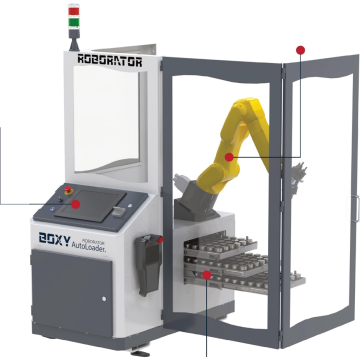

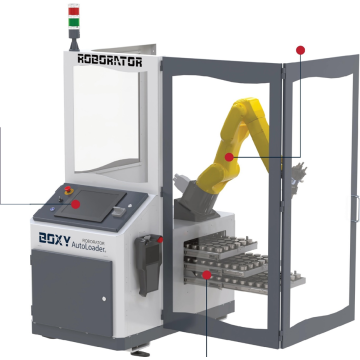
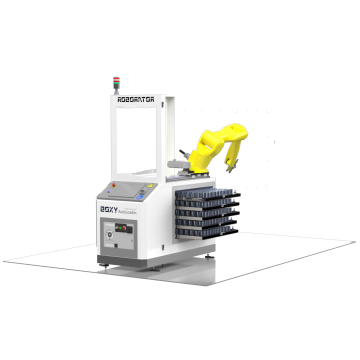
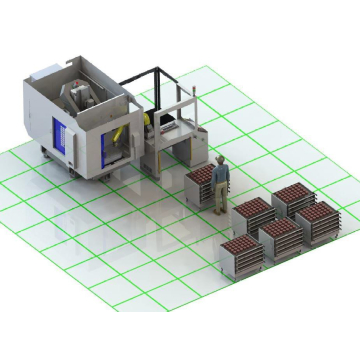
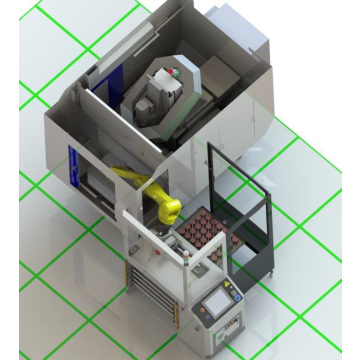
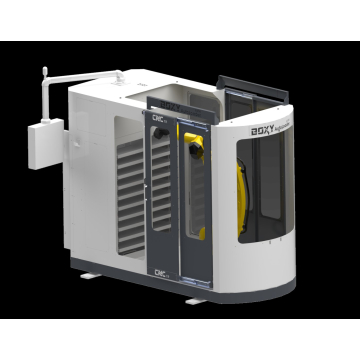
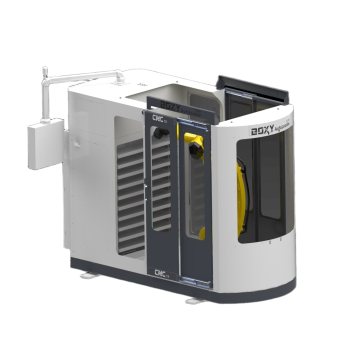


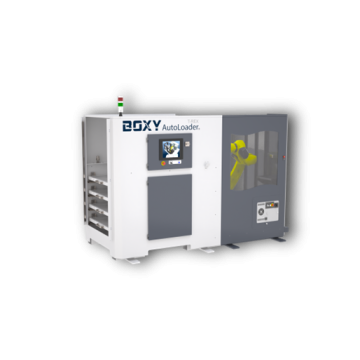

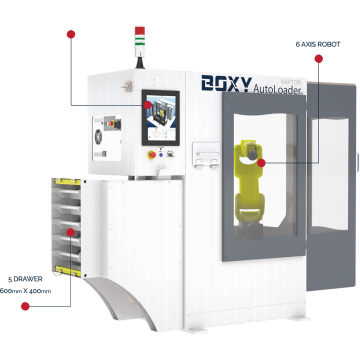
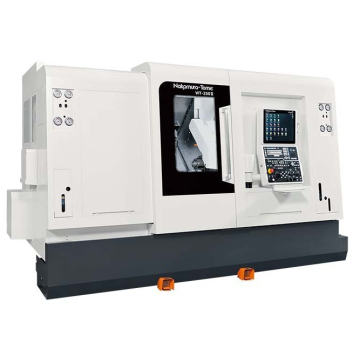


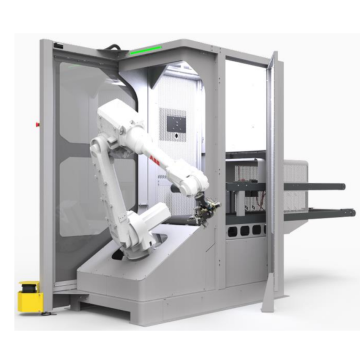

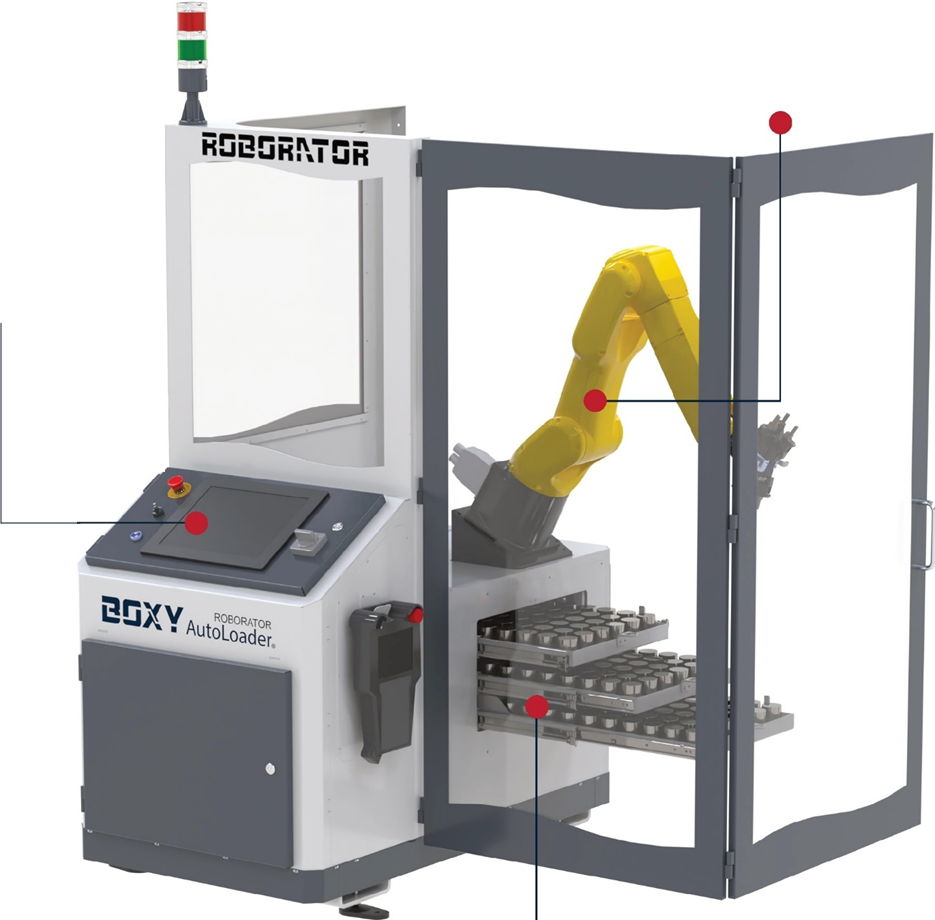
The Boxy Autoloader, designed for high-speed part loading and unloading using an industrial robot on CNC machine tools, offers the most effective solution for machine tending and impresses with an excellent price-to-performance ratio.
Designed to eliminate any concerns regarding the ease of use of table-top loading and unloading systems, it continues to bring innovation to the sector through its SOFTBOXY automatic programming software, based on experiences transferred from consumer-use devices.
The device performs loading and unloading operations for small and medium-sized elements in cooperation with the serviced machine. The drawer system, developed based on years of experience, provides users with the ability to operate for many hours without an operator.
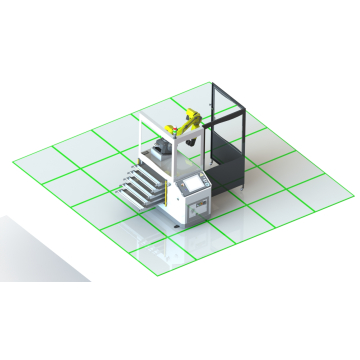
Designed as a single unit, it provides numerous benefits such as short installation time, minimal space requirement on production lines, and the ability to be applied to various machines. It is delivered quickly due to its single-body construction, allowing for the rapid automation of production lines.
The Boxy AutoLoader comes with the SoftBoxy automation management software. Thanks to features such as fast and automatic programming and easy part transfer, it enables users to operate effectively by quickly adapting to specific production requirements. It offers software with a user-friendly interface, ensuring that even unskilled operators can use the system without any issues.
Would you like me to create a summary of the technical advantages of the Boxy Autoloader or perhaps translate its specific technical parameters?
Advanced Automation Systems and the Role of the Roborator
Modern production constantly strives to increase the efficiency, precision, and flexibility of processes. A key element of this transformation is advanced automation systems that integrate industrial robots to optimize production activities.
Robotic targets: Automation with the future in mind
Robotic targets refer to the specific tasks that industrial robots are intended to perform within the production process. They allow for the precise definition of the roles robots should play, enabling effective programming and integration with other systems. Robotic targets include:
-
Loading and unloading workpieces: Automatically placing and removing elements from machines, which increases production fluidity.
-
Component assembly: Precisely joining parts into finished products, ensuring high quality and repeatability.
-
Quality control: Detecting defects and inconsistencies in the product, minimizing the risk of faulty goods.
-
Packaging and palletization: Efficient and fast preparation of products for shipment, optimizing logistical processes.
Defining robotic targets is the foundation of effective automation, allowing for the precise matching of technology to production needs.
Production cell: A robotic workstation
A production cell is an integrated workstation where industrial robots perform specific tasks within a strictly defined production process. These types of stations are designed for:
-
Space optimization: Compact construction enables the effective use of available floor space.
-
Integration with machines: Cooperation with machine tools, conveyors, or storage systems ensures process fluidity.
-
Process automation: The elimination of manual interventions increases productivity and reduces the risk of errors.
Thanks to robotic production cells, it is possible to achieve high efficiency and flexibility in production, which is crucial in a dynamically changing industrial environment.
Roborator: An innovative solution in automation
The Roborator is a modern device that combines the functions of an industrial robot with advanced process automation software. Its distinguishing features include:
-
Advanced software: Thanks to the SOFTBOXY system, fast and intuitive robot programming is possible, which shortens implementation time.
-
Multifunctionality: The Roborator can perform various roles in the production process, from loading to quality control.
-
Integration with machines: Easy connection to existing production equipment allows for the seamless inclusion of the Roborator into the production line.
Thanks to these features, the Roborator constitutes a key element in the automation process, contributing to increased production efficiency and flexibility.
Integration for the future of production
The integration of robotic targets, robotic production cells, and innovative solutions such as the Roborator forms the foundation of modern manufacturing. Through the precise definition of tasks for robots, the effective use of space, and advanced technology, it is possible to achieve high efficiency, quality, and flexibility in production processes.
In the face of growing competition and dynamic market changes, investing in such solutions becomes key to maintaining competitiveness and company growth.