



Mineral oils

Niezawodny sprzęt dla Twojego warsztatu
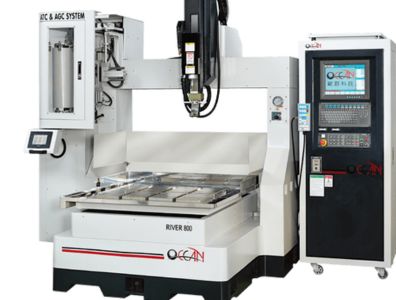
Drążarki wgłębne
To niezastąpione rozwiązanie w precyzyjnej obróbce, szczególnie przy produkcji form i matryc. Technologia ta umożliwia uzyskanie skomplikowanych kształtów, odzwierciedlających geometrię elektrody. W ofercie znajdują się maszyny wyposażone w magazyny elektrod oraz zaawansowane systemy pomiarowe, które pozwalają na automatyzację procesów i zwiększenie efektywności pracy.
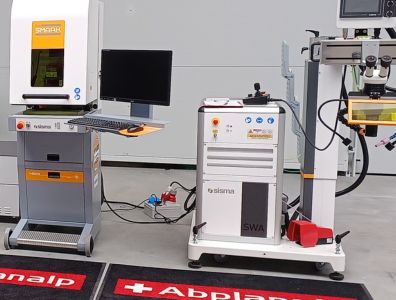
Przebijarki do otworów
Specjalistyczne maszyny EDM przeznaczone do precyzyjnego wykonywania otworów startowych, wykorzystywanych w obróbce elektroerozyjnej. Umożliwiają szybkie i dokładne wiercenie bardzo smukłych otworów, nawet w wymagających materiałach. W ofercie dostępne są modele dostosowane do różnych potrzeb produkcyjnych, zapewniające wysoką jakość i efektywność pracy.

Wycinarki drutowe
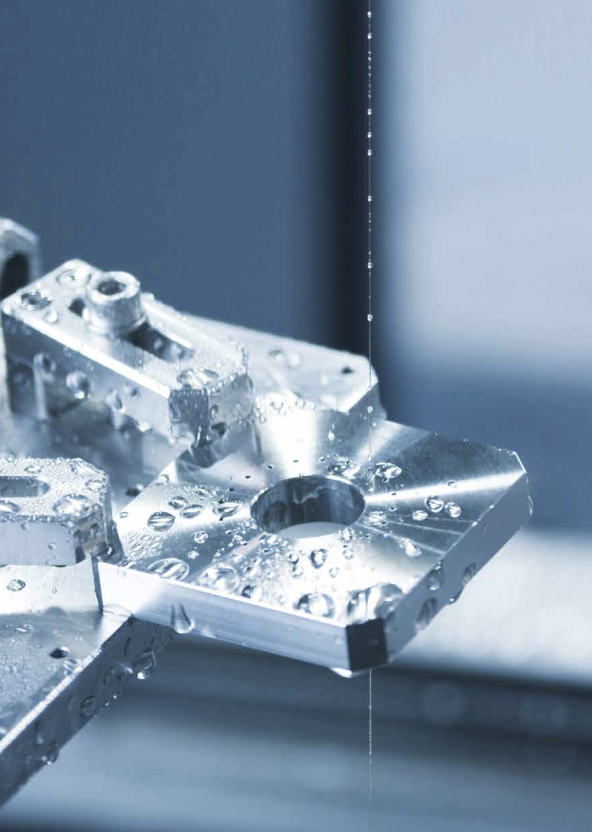
Maszyny wykorzystywane do obróbki elektroerozyjnej, umożliwiające cięcie materiałów przewijanym drutem. Charakteryzują się wyjątkową dokładnością, wysoką jakością obrobionej powierzchni oraz możliwością uzyskania minimalnych promieni wewnętrznych. W ofercie dostępne są modele dostosowane do różnorodnych zastosowań, zapewniające efektywność i powtarzalność procesów technologicznych.
Mineral Oils in Metalworking – Classic Solutions and Modern Alternatives
Mineral oils have been the cornerstone of metalworking processes for decades. They were utilized wherever operational stability, tool protection, and effective lubrication during intensive cutting were paramount. To this day, they remain present in many manufacturing facilities, particularly in older technological installations.
However, industrial evolution and increasing demands regarding efficiency, ecology, and occupational safety mean that more companies are moving away from classic mineral solutions in favor of modern synthetic, semi-synthetic, and ester-based coolants, which offer higher stability and superior performance parameters.
Mineral Oils in Metalworking – Where are they still applied?
Mineral oils are used in numerous technological operations, such as turning, milling, drilling, and grinding. Their primary task is to reduce friction in the cutting zone and protect the surfaces of the machined components.
They are most commonly used:
-
in traditional machining processes,
-
during heavy-duty operations requiring intensive lubrication,
-
in older machinery and technological systems,
-
in applications where high medium viscosity is critical.
While these solutions still fulfill their purpose, they are increasingly proving less effective compared to modern coolants that provide better cooling, a cleaner process, and greater tool longevity.
Mineral Oils for CNC Machines – Why were they the standard?
In the first generations of CNC machines, mineral oils were the natural choice due to their availability, versatility, and good lubricating properties. Chemical stability and the ability to work in long production cycles made them widely used in the machining of steel, cast iron, and metal alloys.
Today, however, modern machining centers operate at much higher speeds and loads. Under these conditions, classic mineral oils are increasingly giving way to synthetic and semi-synthetic solutions, which:
-
dissipate heat more effectively,
-
reduce the formation of deposits,
-
extend tool life,
-
improve the cleanliness of machines and the working environment.
Consequently, in many plants, mineral oils are viewed as a technological starting point rather than a final solution.
What are Ester Oils and why are they gaining importance?
One of the most significant directions in the development of industrial coolants is ester oils. These are modern lubricant bases, often of vegetable origin, created through the chemical reaction of alcohols and fatty acids.
Esters stand out due to:
-
very high natural lubricity,
-
superior biodegradability,
-
high thermal stability,
-
lower tendency to form oil mist,
-
a more favorable impact on the operator's working environment.
Thanks to their molecular structure, they create a durable lubricant film even under heavy loads, which limits tool wear and improves the surface quality of machined parts. Importantly, modern emulsion coolants can also be ester-based; therefore, this technology represents an evolution rather than just an alternative to emulsions themselves.
Why is industry moving away from Mineral Oils?
Contemporary production focuses increasingly on process efficiency, ecology, and operator safety. In this context, classic mineral oils have certain limitations that prompt companies to seek new solutions.
The most common reasons for changing technology include:
-
higher cooling requirements for CNC machining,
-
the need to reduce oil mist emissions,
-
easier maintenance of installation cleanliness,
-
longer sump life of the technological fluid,
-
rising environmental standards.
Modern Coolants in the Abplanalp Offer – A Step Toward the Future
Abplanalp offers both solutions based on classic mineral oils and modern synthetic, semi-synthetic, and ester technologies that meet current industrial requirements.
The company's approach is based on technological consultancy and matching the medium to the specific production process. In many cases, an application analysis allows for the identification of next-generation solutions that improve machining stability, production efficiency, and operator comfort.
If you are looking for mineral oils for metalworking, it is worth simultaneously considering modern alternatives—it often turns out that they offer significantly better performance parameters and real savings in the long run.