



Cobot packages
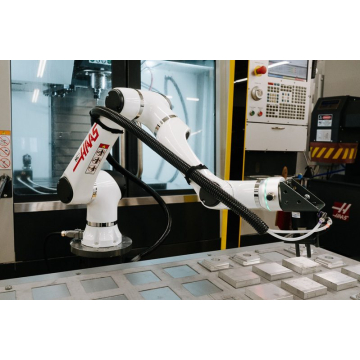
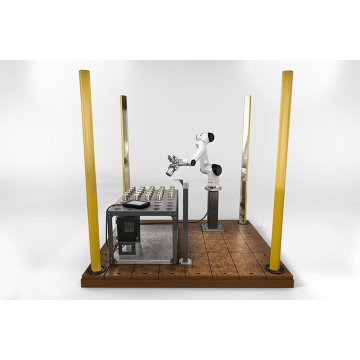
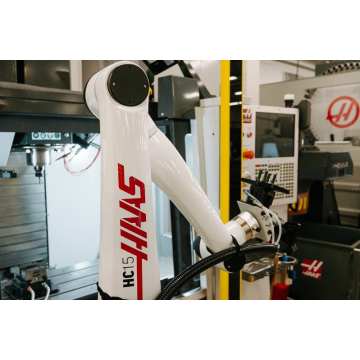
Production line robotization
The dynamic development of technology means that modern industrial plants are increasingly turning to solutions based on automation and robotics. Production line robotization allows for a significant increase in efficiency while simultaneously lowering operating costs.
Through the use of modern industrial robots, it is possible to perform repetitive and precise tasks faster and more effectively than with traditional manual labor. Importantly, production line robotization does not mean replacing humans in the production process, but rather relieving them of the most monotonous and demanding tasks.
Operators can concentrate on supervision, quality control, or process optimization, while robots handle tasks requiring repeatability and accuracy. As a result, the enterprise gains greater production stability and reduces the risk of errors and material losses.
Robotization of production processes
Robotization of production processes is a broader approach, covering not only the assembly line itself but all activities related to product manufacturing. It can apply to internal transport, packaging, quality control, or warehousing. The integration of robotic systems at various stages of production allows for a smooth flow of materials, full control over data, and the ability to react quickly to changing market conditions.
From the company's perspective, the benefits of process robotization include not only increased efficiency but also improved workplace safety. Robots take over tasks requiring great physical effort, work in difficult conditions, or in environments dangerous to humans. This makes it possible to create more ergonomic workstations and increase employee satisfaction.
Companies that decide to invest in robotization gain a competitive advantage. Shortened production times, higher product quality, and cost reductions enable enterprises to respond faster to customer needs and compete effectively in domestic and international markets.